
Patterns are not just something we draw on squared paper. Look closely and you can find them in wings, leaves, shells, flowers, buildings, fabrics and works of art.
But nature has a surprise for us: its patterns are often almost regular rather than perfectly exact. In this lesson, you will become a pattern detective and look for the rule behind what you see.
What rule can you see?
Before opening any answers, look at each photograph and describe the pattern in your own words. Is something repeating, reflecting, turning, spreading out or growing?

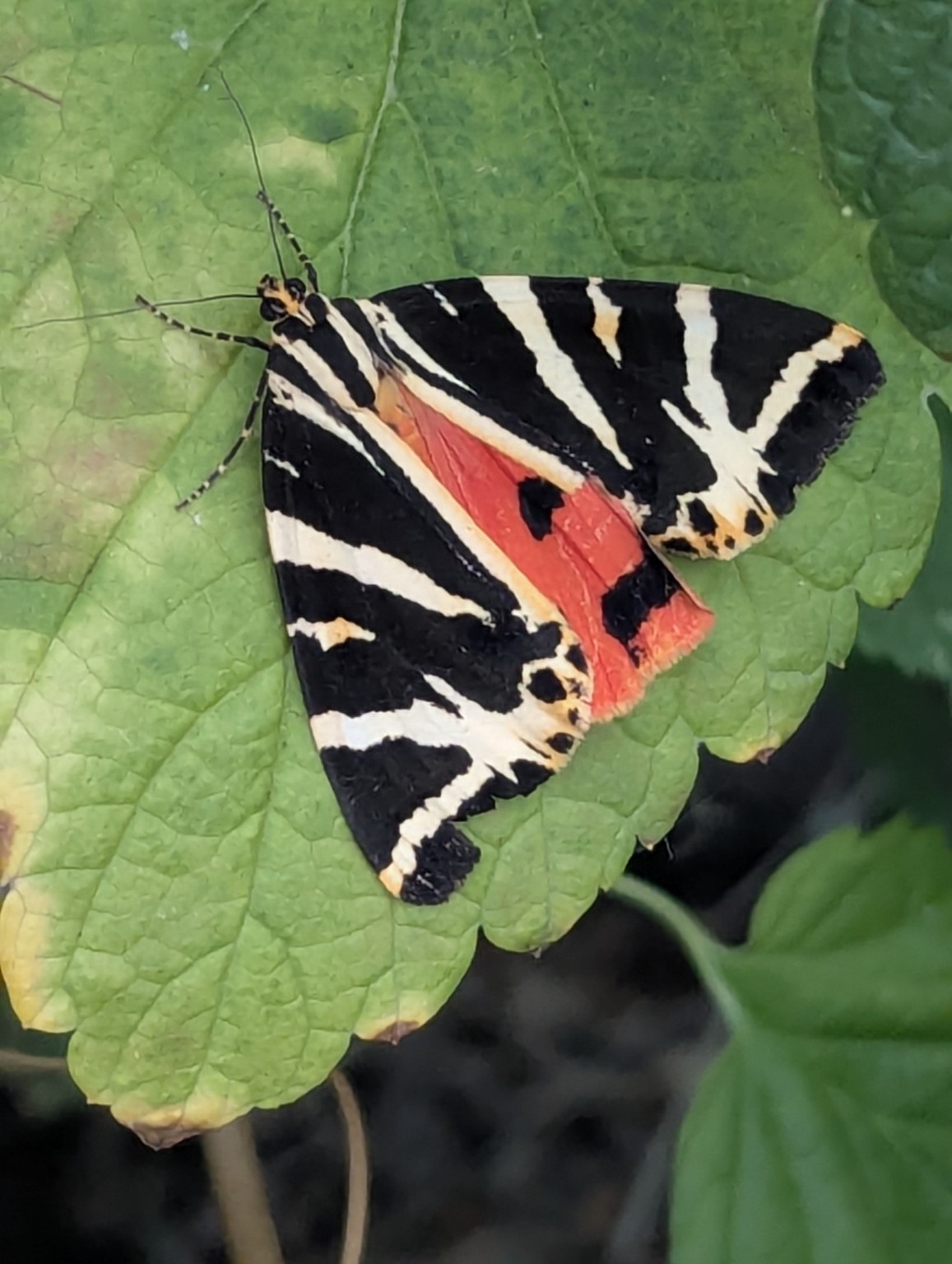
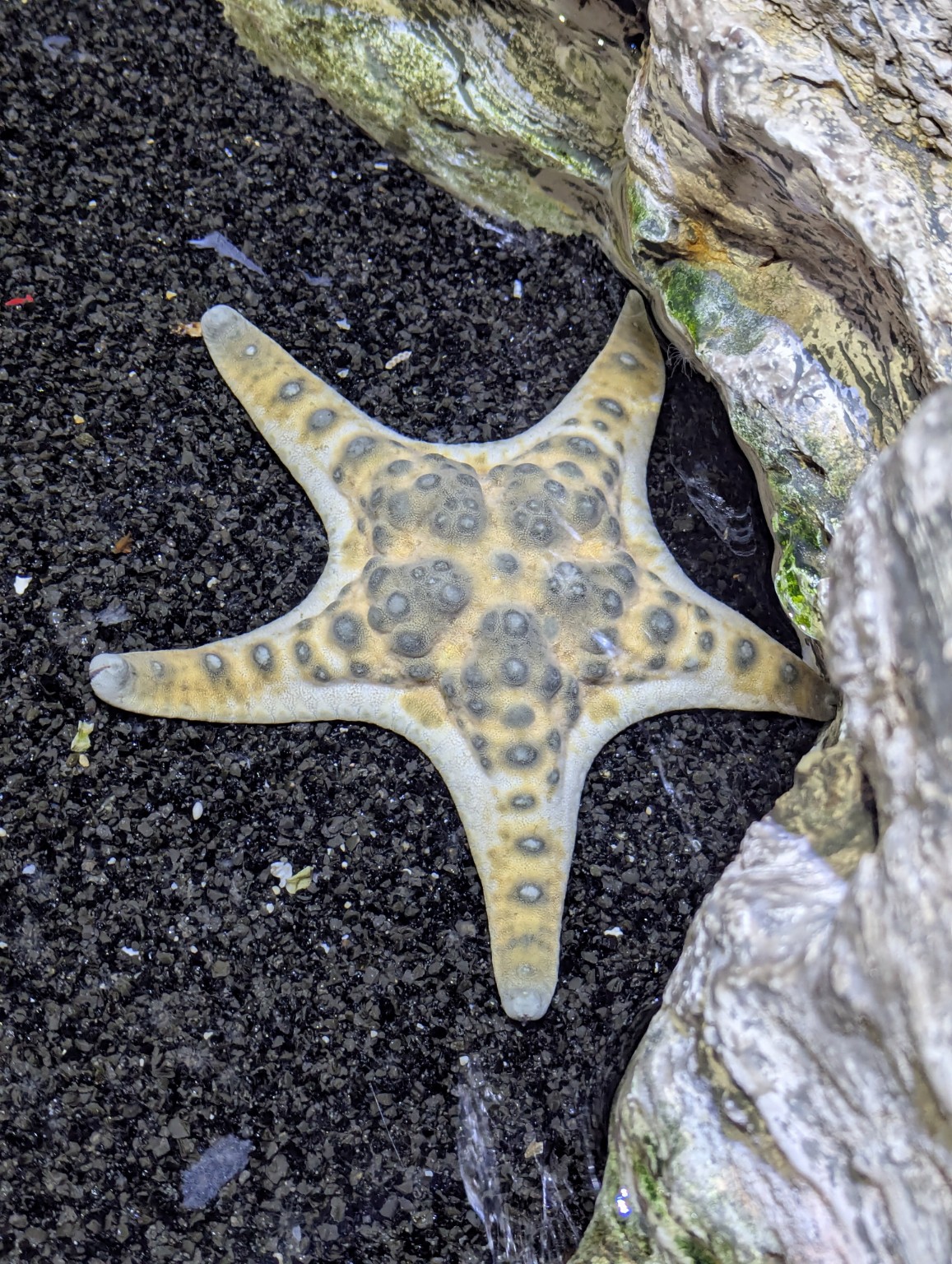
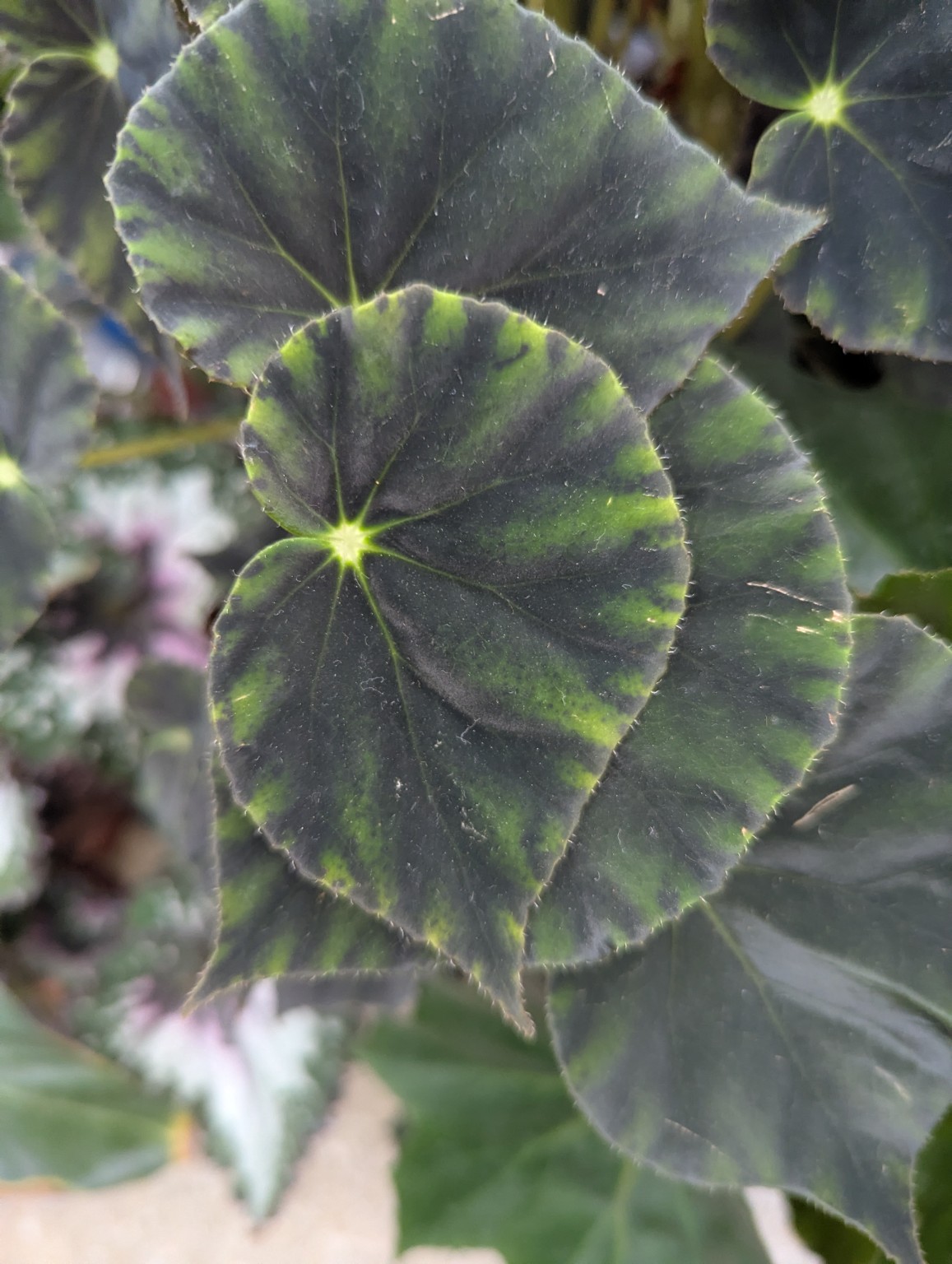

Patterns in architecture
Architects use the same mathematical ideas we have been exploring: repetition, tessellation, symmetry and turning.
All of these photographs were taken by Sumthing Else. What mathematical rule can you spot in each one?
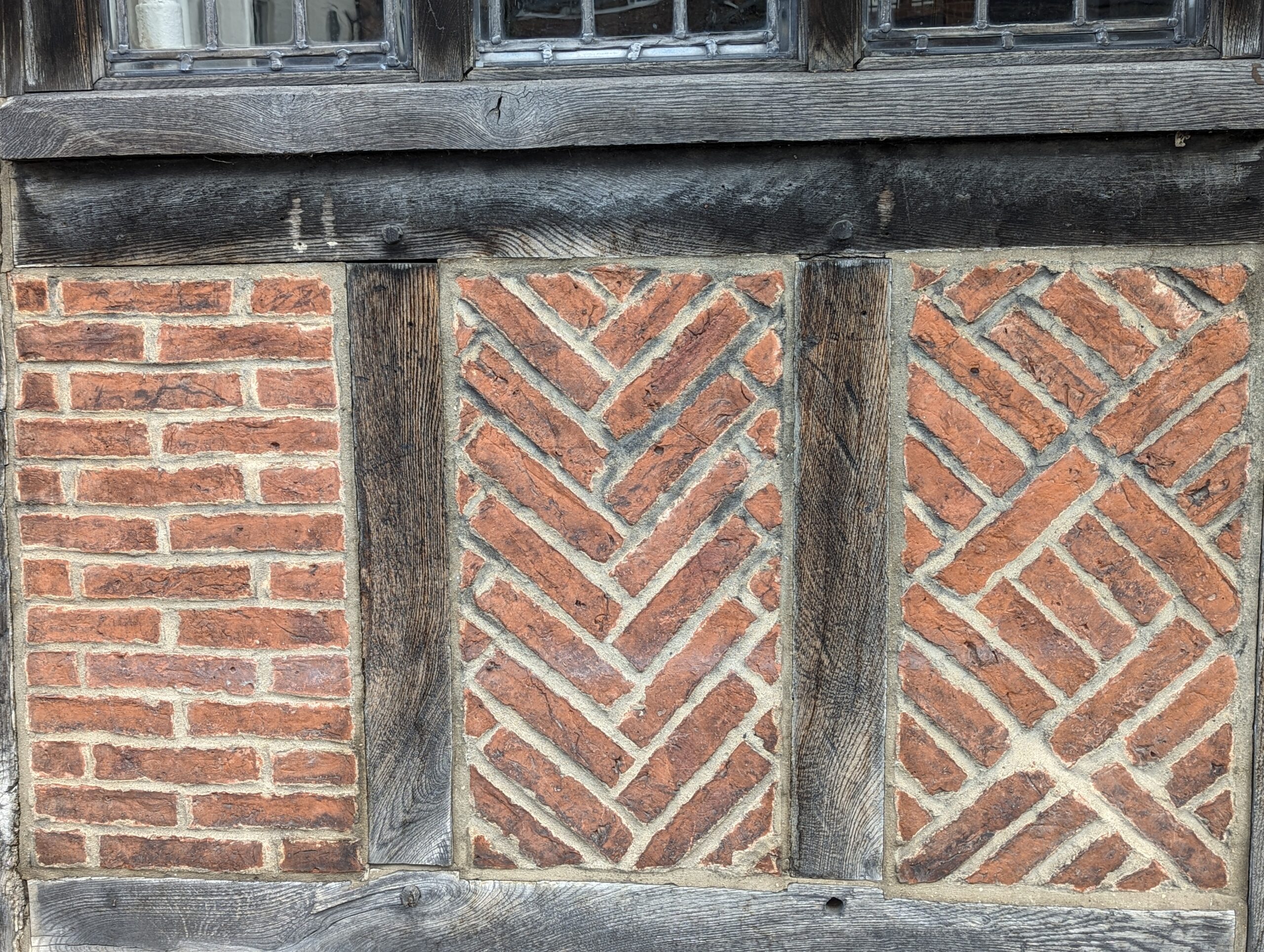
Look at the bricks. Can you find the smallest part of the pattern that repeats?
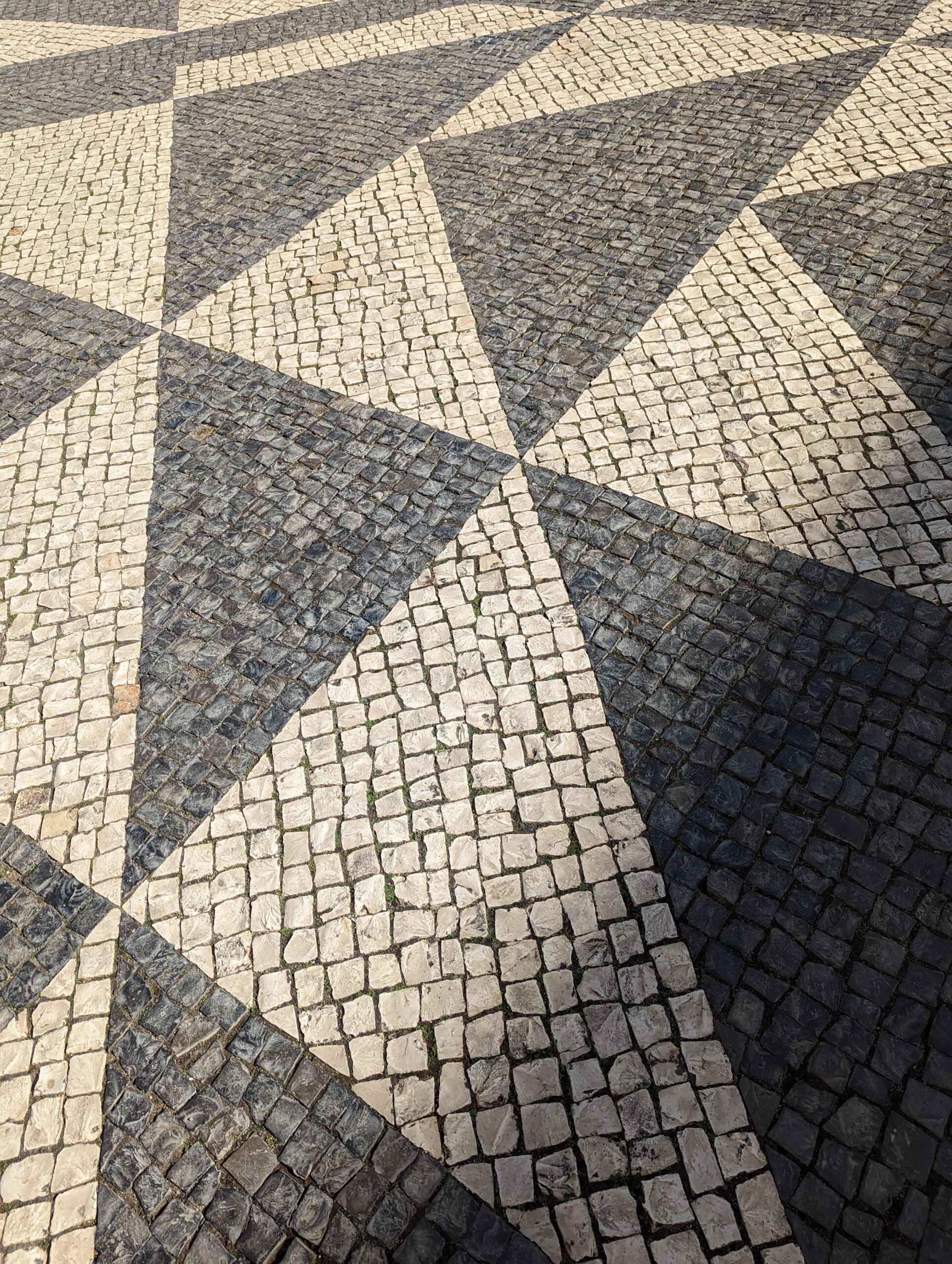
The pavement is covered without gaps. Which shapes seem to repeat? Can you trace one copy of the pattern with your finger?

Imagine cutting out one zig-zag section and sliding it upwards. Would it match another part of the building?
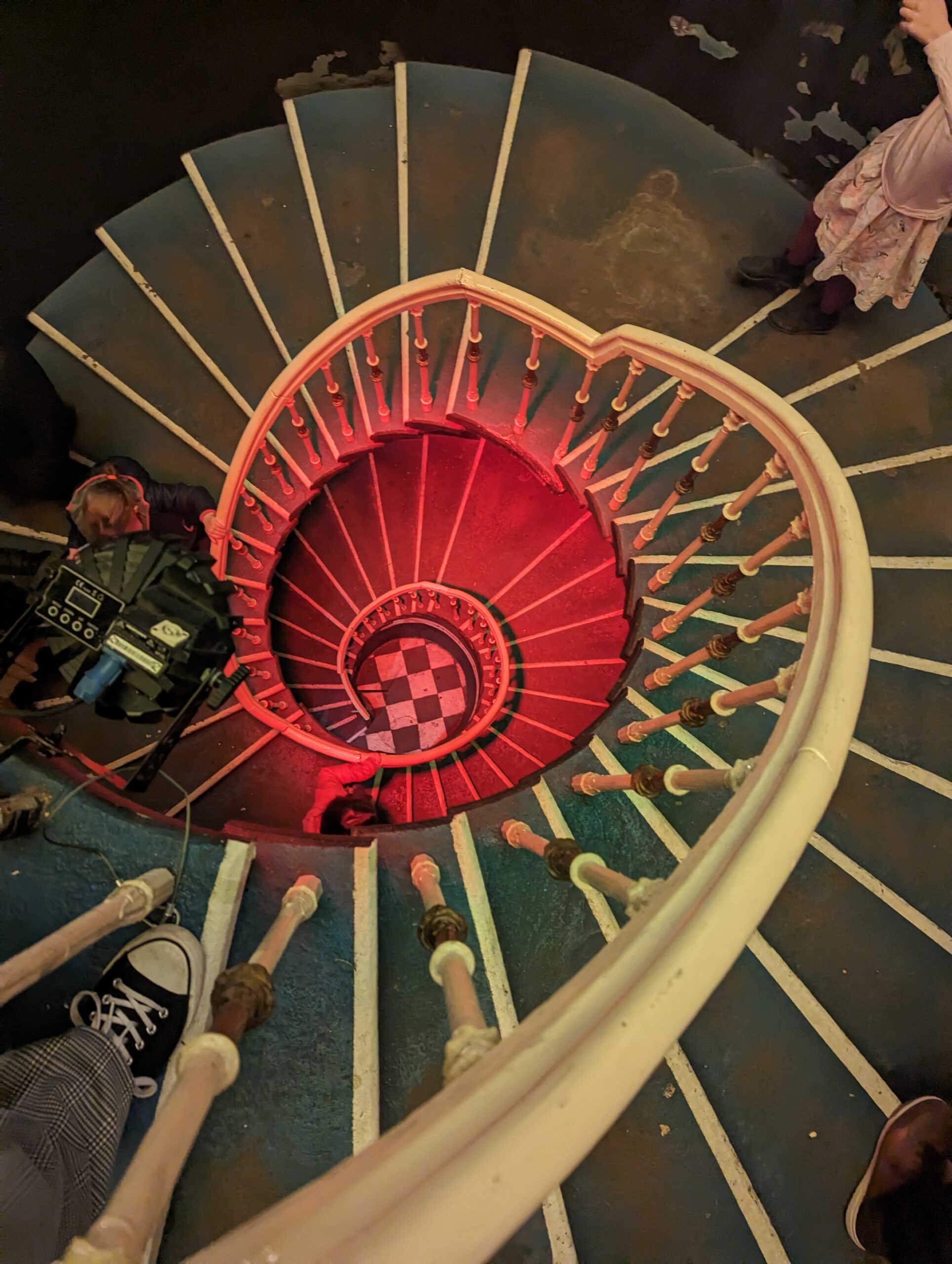
Each step turns a little farther around the centre. Where would you put the centre of this pattern?
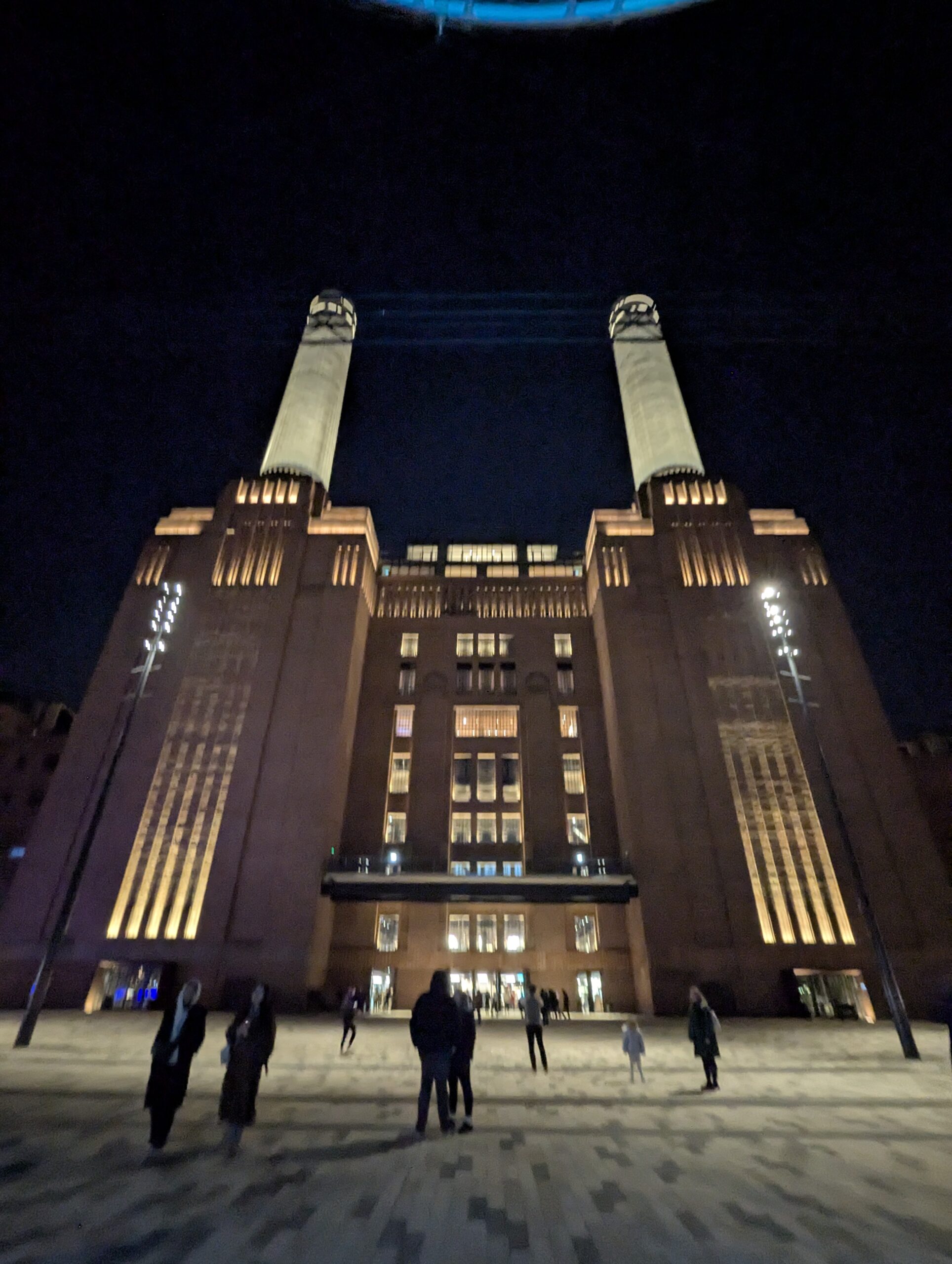
Imagine drawing a vertical line through the middle. Which parts on the left have partners on the right?
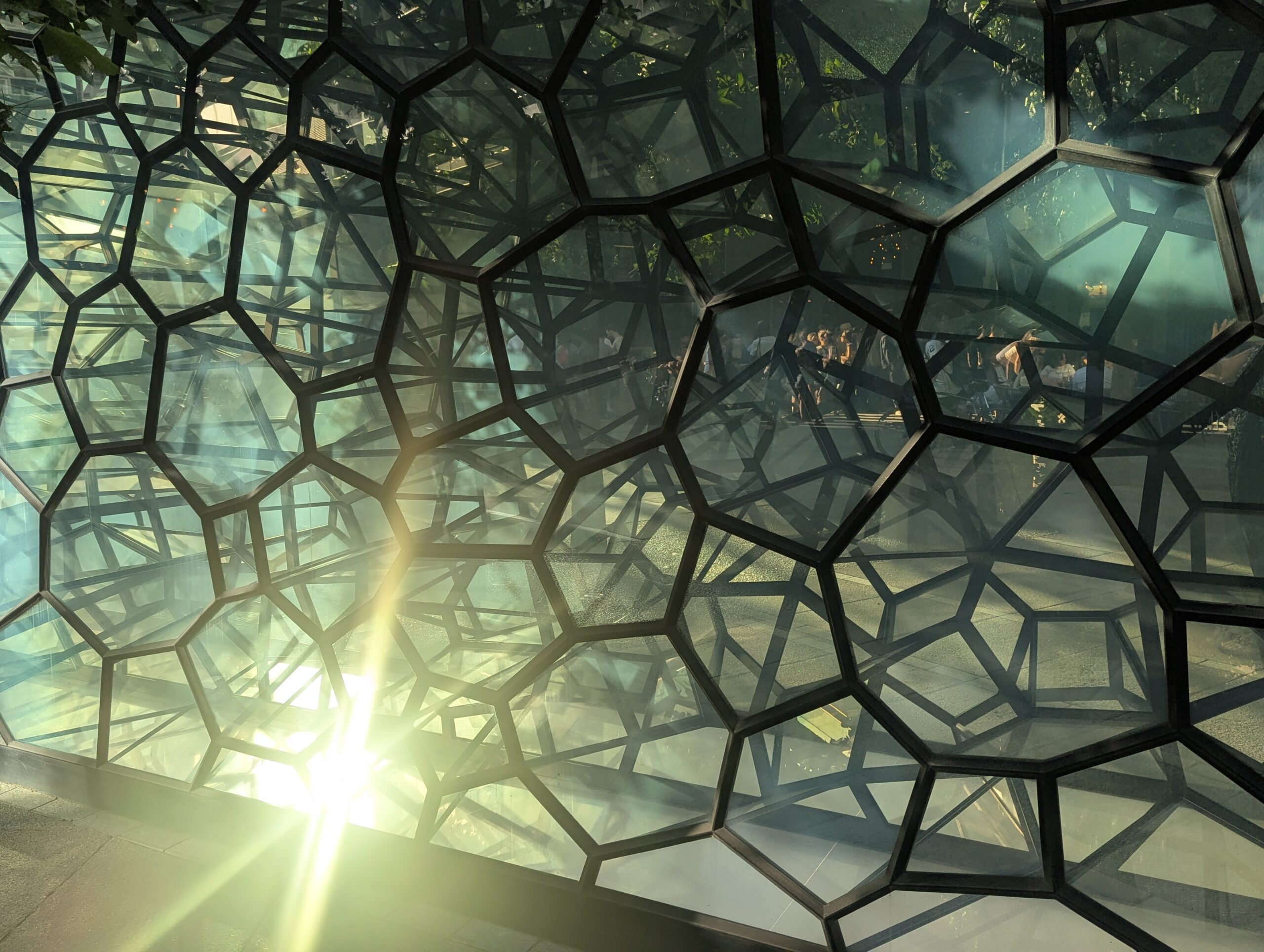
Look first at one small shape, then look at the whole roof. Can you see smaller patterns joining together to make a larger one?
The next time you are outside, look closely at buildings, pavements, railings and roofs. Can you find a slide, turn, reflection or tessellation?
Photographs © Sumthing Else.
Patterns can follow different rules
By now you have met several different ways for a pattern to be organised. They can appear separately, or several rules can appear at once.
The same motif appears again and again.
A motif moves without turning or flipping.
One side mirrors another.
A motif repeats around a centre.
A large structure splits into smaller structures.
Help the butterfly land!
Now try using the transformations yourself. Can you guide the butterfly to the flower and make sure it finishes facing the right way?
Exact patterns and natural patterns
A drawn equilateral triangle can have three exact mirror lines. A living starfish may have five similar arms, but one could be slightly longer or bent. The pattern is still useful even when nature introduces variation.
People use the same ideas
Artists, builders and designers deliberately use repetition, symmetry, rotations and translations because they can turn one small motif into something much larger.
A small strip can continue across fabric, wallpaper or a border.
One wedge can be turned repeatedly around a centre.
A motif can slide along a row without turning or flipping.
What about spirals?
Spirals appear in many places: shells, storms, flower heads and arrangements of leaves. They are especially tempting because some natural growth patterns are connected with the Fibonacci numbers.
Do not assume that every spiral in nature is a Fibonacci spiral. Sometimes Fibonacci numbers really do appear in counts or arrangements; sometimes a shape is simply spiral-like. Good mathematics means checking the rule rather than forcing everything to fit it.
If you want to investigate Fibonacci patterns more deeply, visit the Magical Numbers course.
Go on a pattern hunt
Find five patterns
Walk around your home, garden, street, park or museum. Find five examples of patterns. Photograph them or sketch them.
For each one, ask:
What repeats?
What stays the same?
Is there a mirror line or centre of rotation?
Is the pattern exact or approximate?
Could more than one rule be happening at once?
Bonus: find one object that looks patterned at first, but where you cannot describe a convincing rule.
Practice: name the rule
A border has the same blue triangle every 4 cm.
A flower has six similar petals arranged around its centre.
A fern stem divides into side stems, which divide again.
Go further: can one pattern have two rules?
A tiled floor might repeat by translation while each individual tile also has reflection symmetry. A flower can have rotational symmetry while each petal has its own mirror line.
Keep that idea. In the final lesson, you will use it to design your own mathematical artwork.
Help us improve Sumthing Else
Did you try this lesson together? We’d love to know what worked, what was confusing, and what you would like to explore next. Parents and children are both welcome to answer.
Give feedback →